
#HB Gedicht – Be greeted psychoneurotics! door Dabrowski
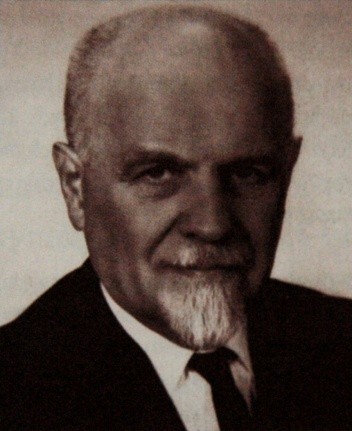
| Be greeted psychoneurotics! |
| For you see sensitivity in the insensitivity of the world, |
| uncertainty among the world’s certainties. |
| For you often feel others as you feel yourselves. |
| For you feel the anxiety of the world, and |
| its bottomless narrowness and self-assurance. |
| For your phobia of washing your hands from the dirt of the world, |
| for your fear of being locked in the world’s limitations. |
| for your fear of the absurdity of existence. |
| For your subtlety in not telling others what you see in them. |
| For your awkwardness in dealing with practical things, and |
| for your practicalness in dealing with unknown things, |
| for your transcendental realism and lack of everyday realism, |
| for your exclusiveness and fear of losing close friends, |
| for your creativity and ecstasy, |
| for your maladjustment to that “which is” and adjustment to that which “ought to be”, |
| for your great but unutilized abilities. |
| For the belated appreciation of the real value of your greatness |
| which never allows the appreciation of the greatness |
| of those who will come after you. |
| For your being treated instead of treating others, |
| for your heavenly power being forever pushed down by brutal force; |
| for that which is prescient, unsaid, infinite in you. |
| For the loneliness and strangeness of your ways. |
| Be greeted! |
| Kazimierz Dąbrowski, 1972 |
Bron: Theorie van positieve desintegratie, Dabrowski Wikipedia
Delen: